
The Philosophy Behind the Work
Artistic Vision
Two distinct artistic languages, united by a single vision: to make emotion, atmosphere and the unseen visible.
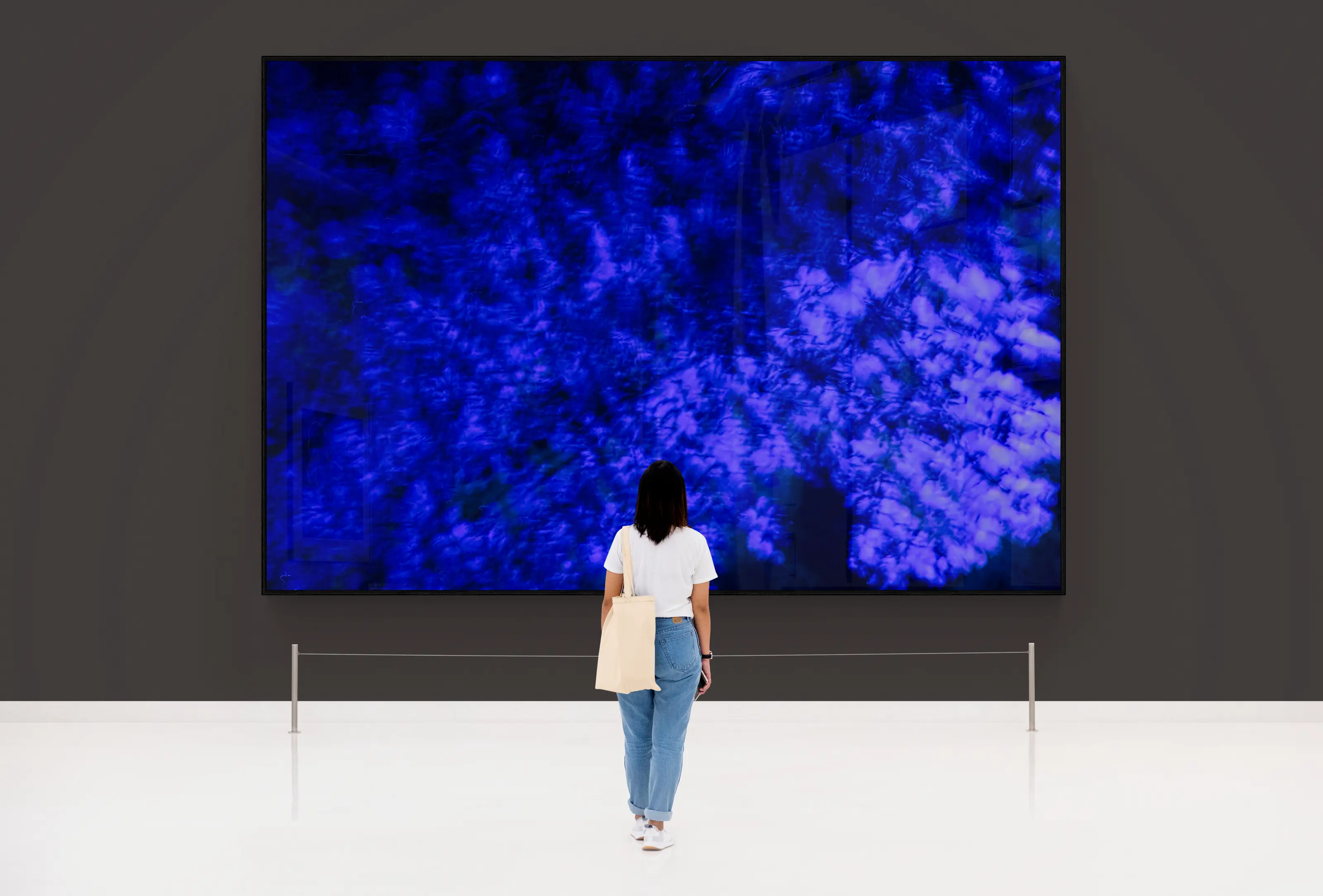
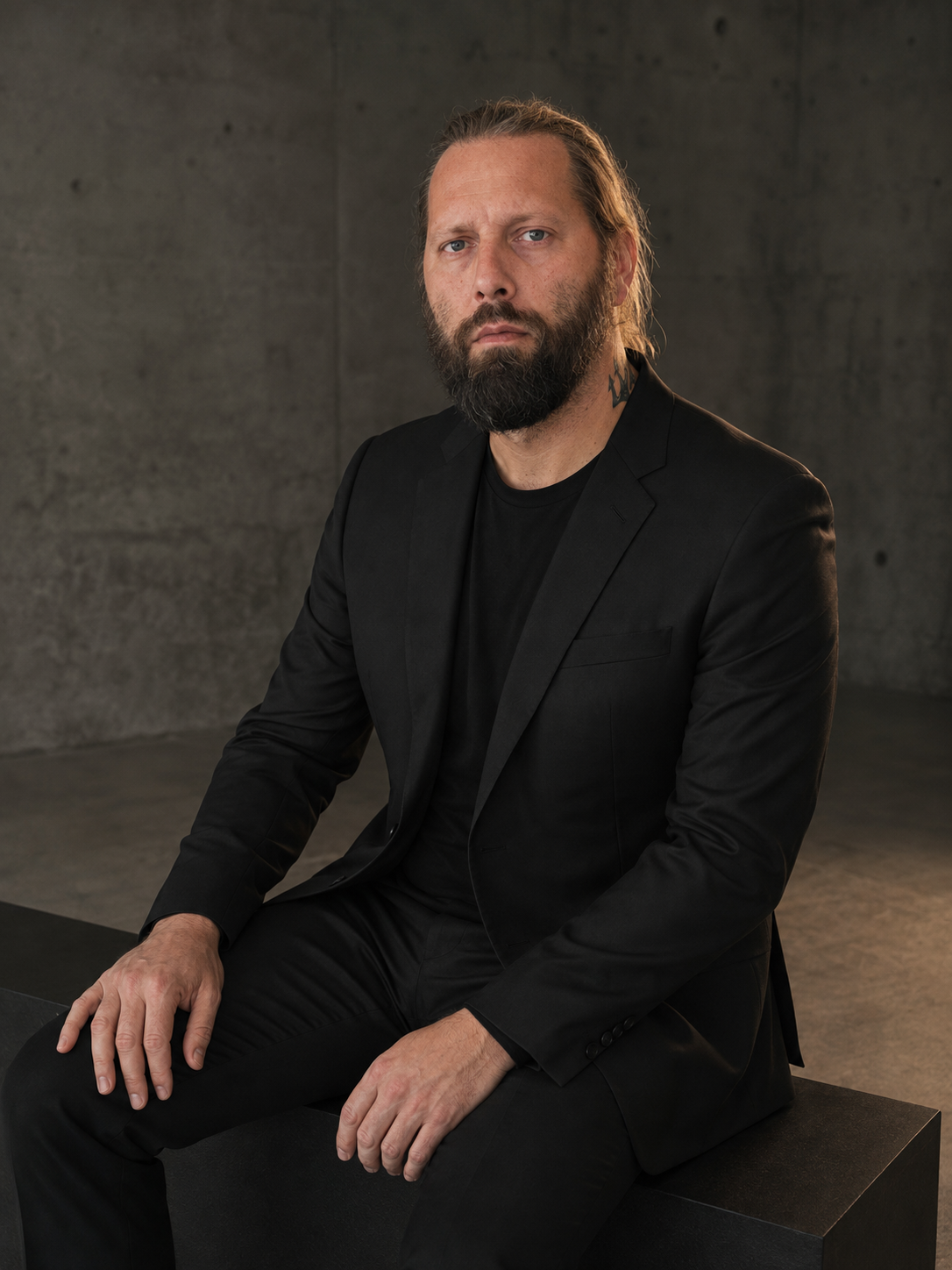
Two Languages · One Instinct
Core Philosophy
“Art begins where words fall silent.”
This statement sums up the entire artistic practice. It is not about explaining or illustrating something. It is about creating a space in which the unseen takes form — where viewers can reflect their own inner experiences.
Foundations
Four Pillars of the Vision
Intuition as a Compass
The creative process does not begin with a plan, but with an inner voice. Each work emerges through a dialogue between artist and material — a process that opens itself to the unknown and seeks the authentic.
Scale and Presence
Whether on intimate canvases or in monumental photographic installations, scale is not decorative but transformative. It creates a space in which viewers encounter themselves.
Making the Unseen Visible
Art is not a representation of the visible world. It is an attempt to reveal the unseen: the feelings, moods and energies that shape our lives. Words cannot capture this — only color, light and form can speak.
Two Languages, One Instinct
Abstract painting and monumental photography are two different paths to express the same truth. One is gestural and intuitive; the other conceptual and architectural. Yet both pursue the same goal: to transform emotion into presence.
The Process
The Process
Each work is the result of an intuitive dialogue. There are no sketches, no plans — only the willingness to open oneself to the material and follow where it leads. This is an act of trust: trust in the process, trust in intuition, and trust in the ability of color, light and form to speak.
Emotion as Language
Emotion is not the subject of the works — it is their language. Every color, every line and every composition is a word in this vocabulary. The aim is not to describe feelings, but to embody them — to give them a form that is immediate and unfiltered.
Atmosphere as Experience
An artwork is not merely an object — it is an experience. It changes the atmosphere of a space and influences the viewer’s mood. This is especially true of the monumental photographic works, which envelop the room and create an immersive experience.
Final Thoughts
“I paint with the soul and photograph with light and shadow.”
Two Languages · One Instinct · Eine Vision